Birds act as biological indicators of environmental health and maintain the balance of our biodiversity. Like many readers who care about the environment, my heart sinks when I see birds hit windows. We don’t know the exact death toll in Costa Rica yet. However, it is a fact that millions of birds face hidden dangers in our growing cities every year. Sadly, our beautiful glass windows can be fatal for them.
Therefore, fostering active citizenship and environmental awareness is crucial. We recently hosted a public webinar focused on protecting birds from the dangers of window collisions. Our guest was Jeffry Ortega, conservationist and founder of Proyecto Josefina. He amazed us with simple actions we can take to save their lives. With this blog, we want to highlight our learnings and share them with you all.
A Rich Biodiversity Under Threat
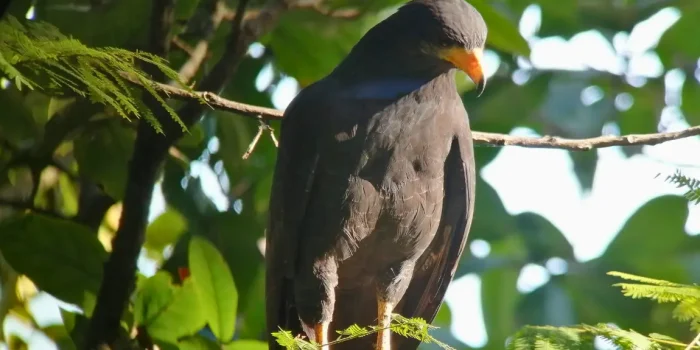
Costa Rica is a global treasure for wildlife. It boasts diverse ecosystems from coastal beaches to cloud forests. Consequently, this immense variety of habitats is home to over 900 bird species. Costa Rica is truly a hotspot for birdwatchers.
I personally consider myself a bird enthusiast. Walking with binoculars early in the morning, I can easily spot more than 10 individuals in a short walk. If you have a green area near your house, you can also experience this magic.
However, sometimes these encounters are not magical. We often find feathers and small skeletons next to our windows. We know that birds face severe human-made threats, like the illegal pet trade and domestic cats. But have you stopped to think that glass windows are also deadly?
During our webinar, Jeffry Ortega explained this invisible crisis. That is why Proyecto Josefina was born. This citizen science project aims to make cities and communities safer for birds. They encourage everyday people to take action and report data every time a bird collides.

Why Do Birds Collide With Windows?
A common misconception is that birds have poor eyesight or lack intelligence. In reality, birds possess excellent panoramic vision to spot predators. The real issue is that they simply cannot comprehend the concept of glass.
“Some windows perfectly reflect the surrounding trees and sky, turning into deadly traps. Birds simply see an open flight path.”
If humans sometimes crash into glass doors, imagine how easily birds are tricked by reflections!
Transparent windows are equally deceptive for our feathered friends. When glass corners allow light to pass through a building, birds perceive an open passageway. Thus, they fly at full speed, expecting to cross safely to the other side.
These high-speed impacts lead to severe consequences, like wing fractures or internal bleeding. Even if they survive the initial hit, their chances of surviving in the wild decrease drastically.

First Aid For Injured Birds: Breaking Myths
If you find an injured bird, knowing how to react is absolutely crucial. Jeffry Ortega clarified several myths regarding proper first aid. A widespread but incorrect belief is that you should feed them or blow on their face. You must never do this. Feeding an injured wild animal can worsen their stress, and you risk transmitting diseases.
The most effective first aid is simply providing a safe, quiet space. If the bird is stunned, leave it alone and keep pets away. If it does not recover immediately, carefully place it inside a cardboard box with a few breathing holes.
The darkness helps calm their nervous system. Once you hear movement, take the box outside and open it. Finally, if the bird cannot fly away, you must contact a wildlife rescue center. If you are not a veterinarian, do not try to treat them yourself.
Citizen Science And Practical Prevention
Protecting birds in Costa Rica requires community action and accurate data. Proyecto Josefina encourages citizens to report any window collisions they witness. If you find a bird, take a clear photo of it and the window. You should also record the exact location and share this information through their form or WhatsApp. These reports help scientists understand which buildings pose the highest risks.
Preventing these tragedies at home is highly achievable for everyone. Forget the old trick of sticking a single hawk silhouette on the glass. Birds will simply fly around it because it leaves exposed spaces.
Instead, effective prevention requires covering the entire window exterior with visual markers. You should space these markers about 5 to 7 centimeters apart. You can use decals, micro-perforated vinyl, or vertical cords. These simple barriers break the reflection and signal a solid object.

Let’s Keep Creating Impact Together
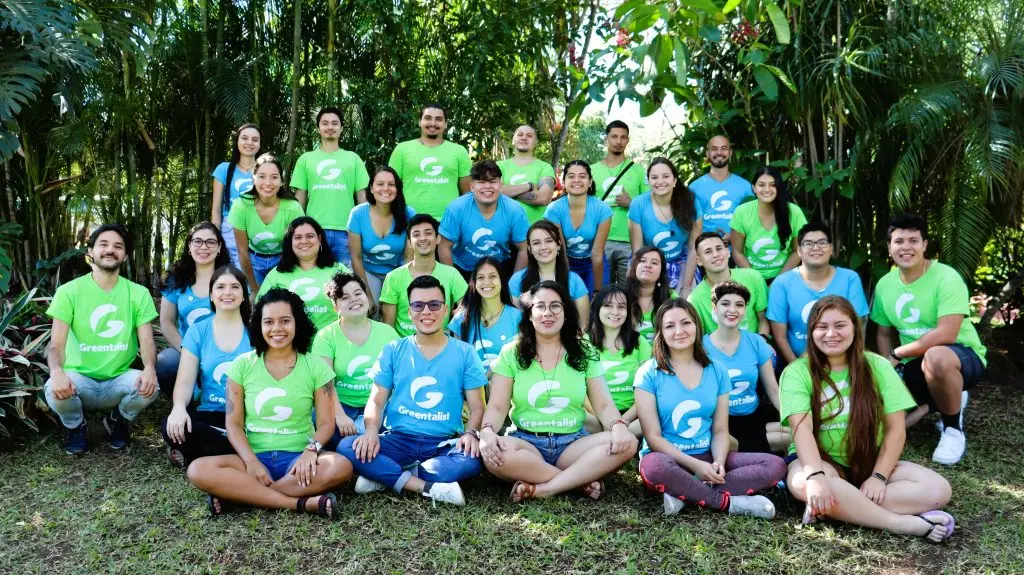
We all have the power to make our neighborhoods safer for our feathered neighbors. Simple changes to our windows can save countless lives and preserve our ecosystems. At Greentalist, we are committed to empowering young people to lead sustainable changes.
We are thrilled to announce that our alliance with Proyecto Josefina will continue! You will see more collaborative activities and posts soon, as they are a true example of good practices for biodiversity. Stay connected and participate in our upcoming webinars. We will be hosting one every month to keep learning together.
For more details on the topics we covered, you can refer to our full video recording on YouTube.
See you in our next event!
Yorle Bermúdez
Volunteer Journey Manager