
KNOW, DO, BE, LEAD: Our Approach to International Youth Leadership
Leadership isn't something you're told about. It's something you build, one step at a time, in a real place with real people.
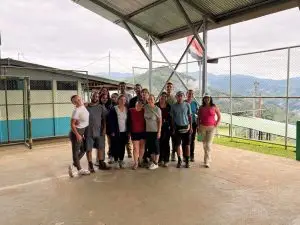
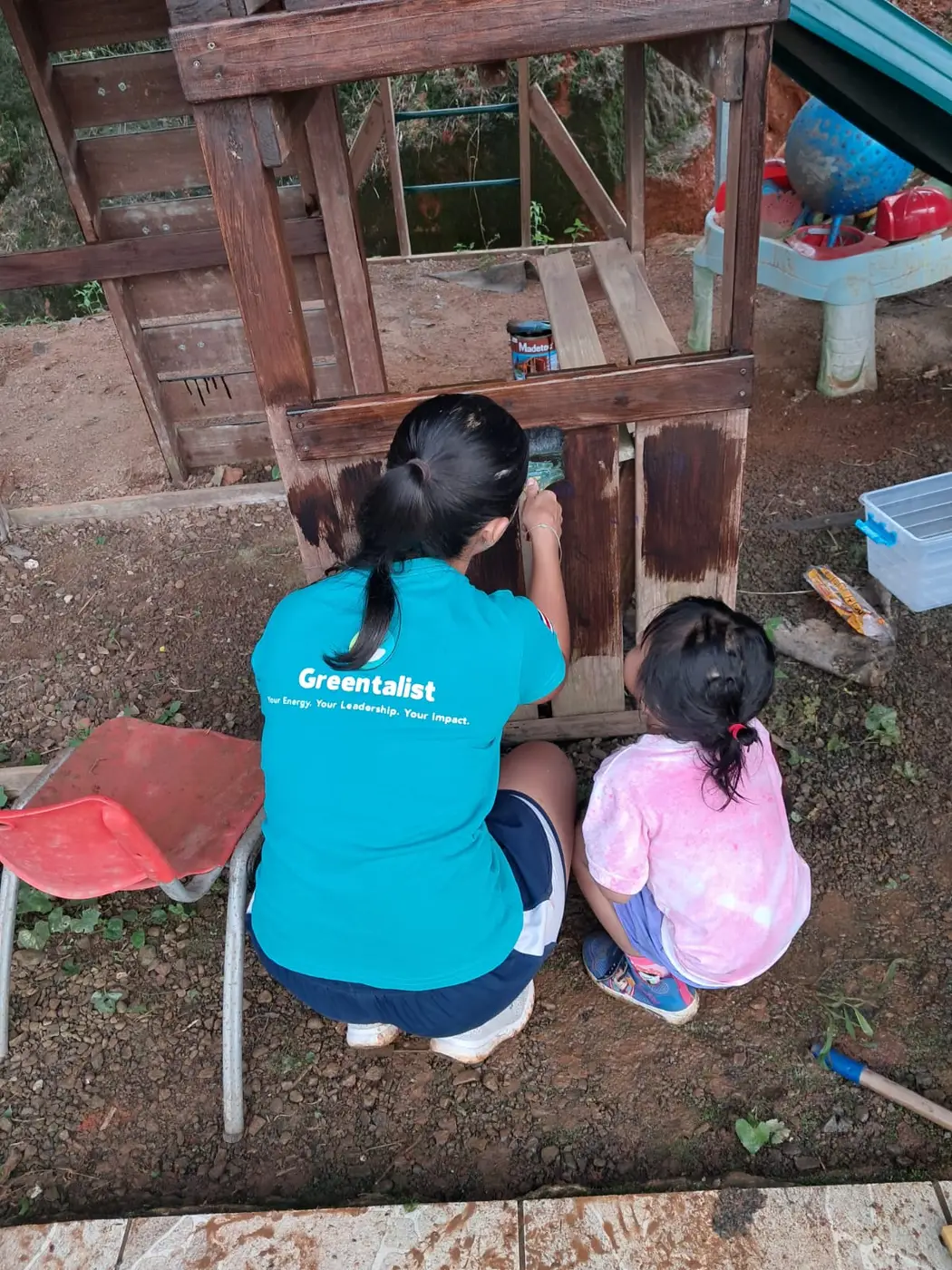
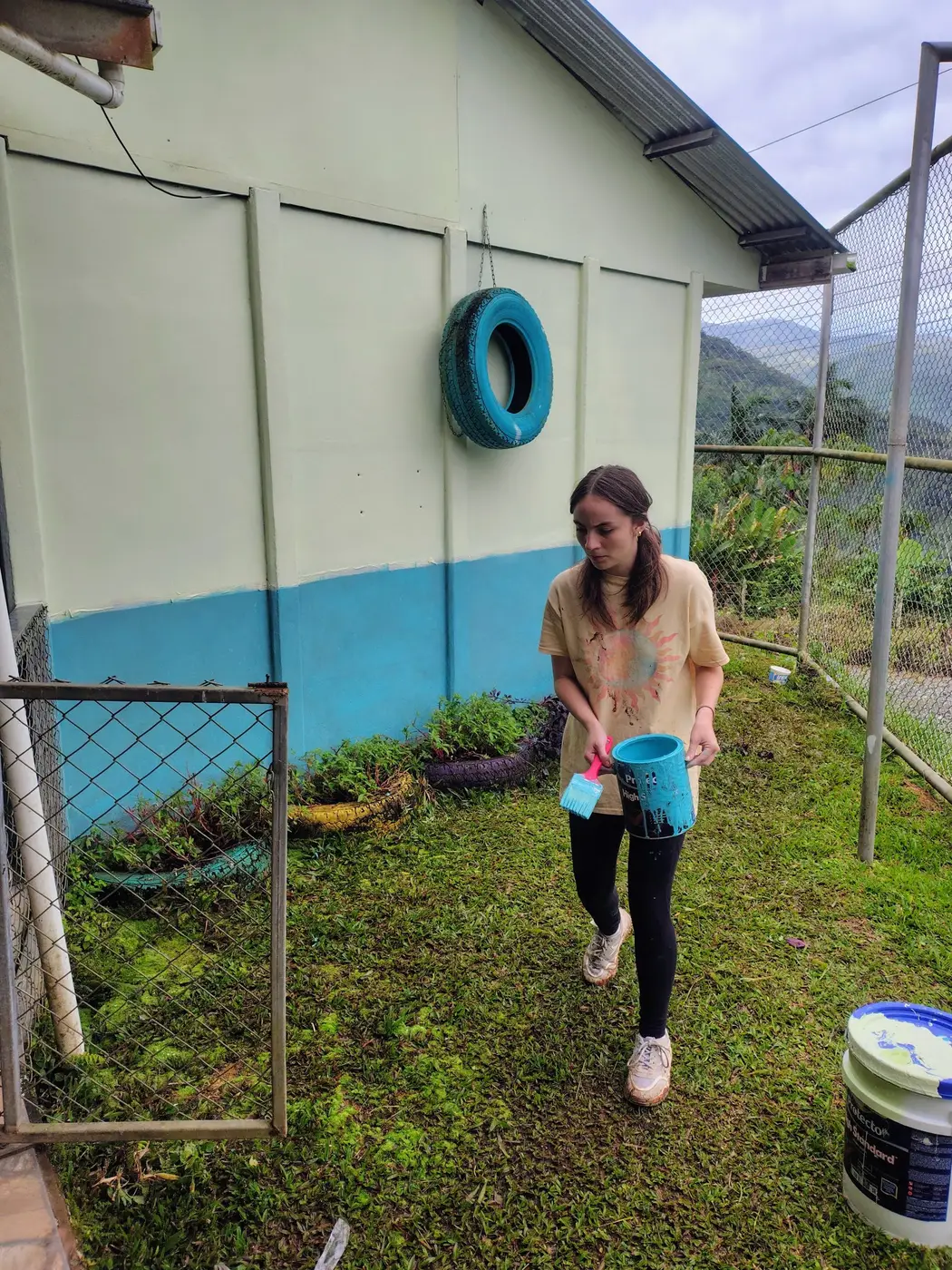
Every year, I meet young people who arrive in Costa Rica a little unsure of themselves. Five weeks later, I watch them stand in front of a classroom in the mountains and lead. People often ask me what happens in between. The honest answer is a method we call KNOW, DO, BE, LEAD. It's the heart of how we approach international youth leadership at Global Greentalist. And no, you won't be painting walls.
Let me walk you through it, the way our volunteers live it.
KNOW: Understand the Place Before You Change It
It starts before anyone boards a plane. For four weeks, our volunteers train online with us. They learn about biodiversity, climate action and how communities organize themselves. Then they land in Costa Rica for three days of team building, safety and local context.
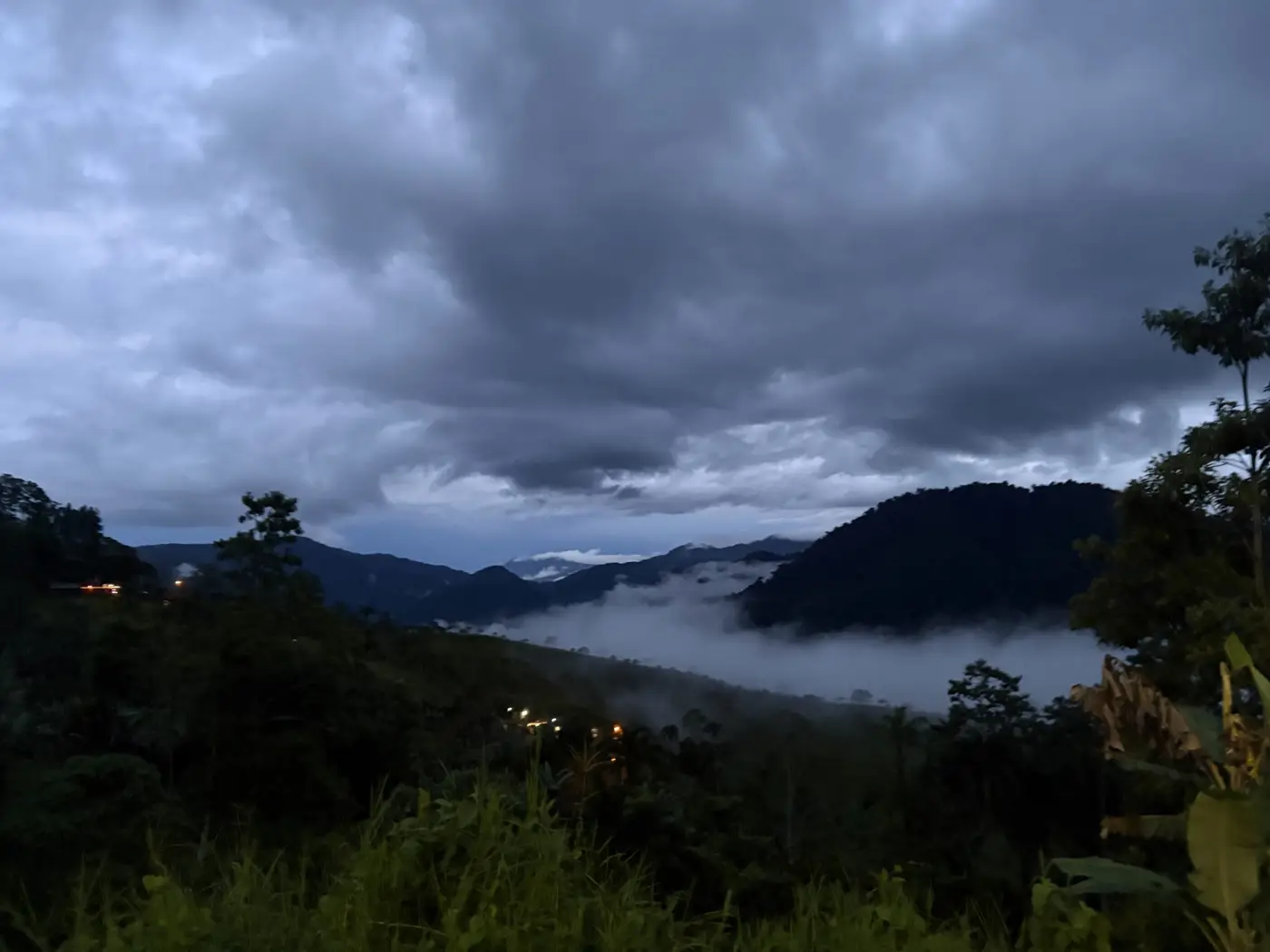
I always tell them the same thing. You can't help a place you don't understand. Alto Chirripó is Cabécar territory, with its own history, language and way of seeing the forest. So the first skill we build is listening. It sounds simple. In practice, it changes everything.
DO: Learn With Your Hands
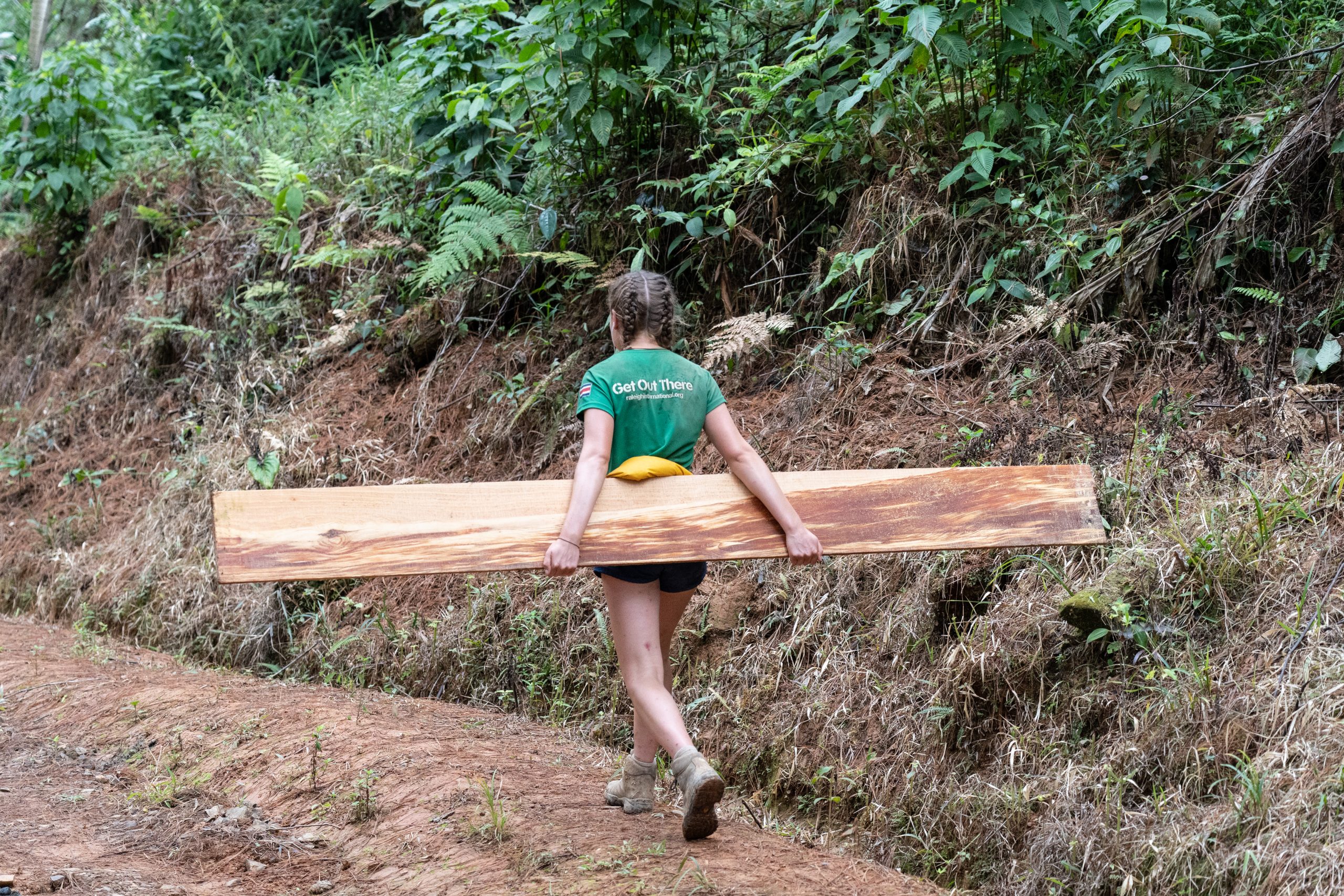
Then we head up the mountain. For three weeks, volunteers work side by side with the community on real projects. Most of that work is about water.
Picture a hillside community that needs a reliable water supply. Now picture a team of strangers from different countries laying pipe, building storage tanks and testing the flow together. Every meter of pipe is a lesson in planning, patience and teamwork.

The first time water reaches a home through a system they helped build, something shifts. I've seen that look on many faces. It's the moment volunteers realize their work matters beyond themselves. Forest restoration and community workshops round out the weeks, but water is usually where the story begins.
You can't lead a community you haven't worked beside.
BE: Grow the Person Behind the Leader
Here's the part nobody puts on a résumé. Living in a remote community is beautiful, and it's also hard. It rains. Plans change. The work is physical, and home feels far away.
That's where resilience grows. Volunteers learn to share meals, chores and doubts with people very different from them. They discover how they react under pressure, and how to choose a better response. By the end, many tell me this was the stage that changed them most.
LEAD: Inspire Others to Act
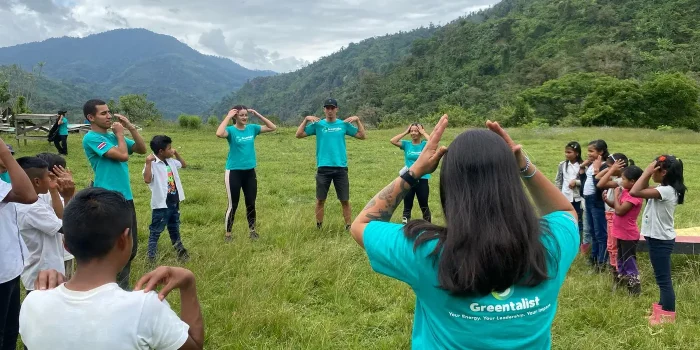
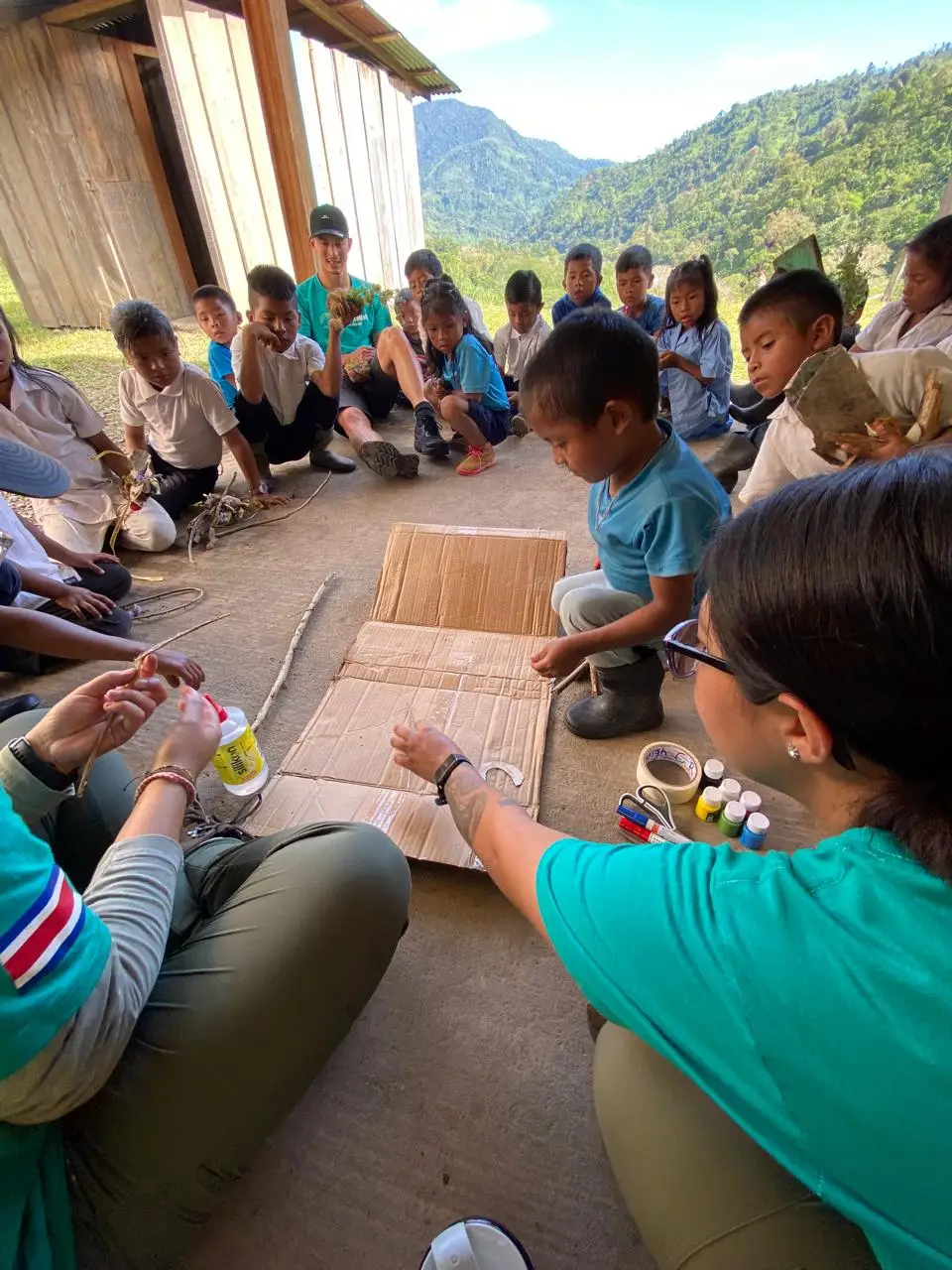
The final eight days bring everything together. We trek through the mountains and visit Indigenous schools along the way. Now our volunteers are the ones teaching. They run workshops for children about water, forests and caring for the land.
This is where leadership stops being an idea. Standing in front of a room full of curious kids, you can't hide behind theory. You have to connect, adapt and inspire. Our Team Leaders, who are 25 or older, model this from day one. They arrive a week early to prepare the ground.
What International Youth Leadership Looks Like After Costa Rica
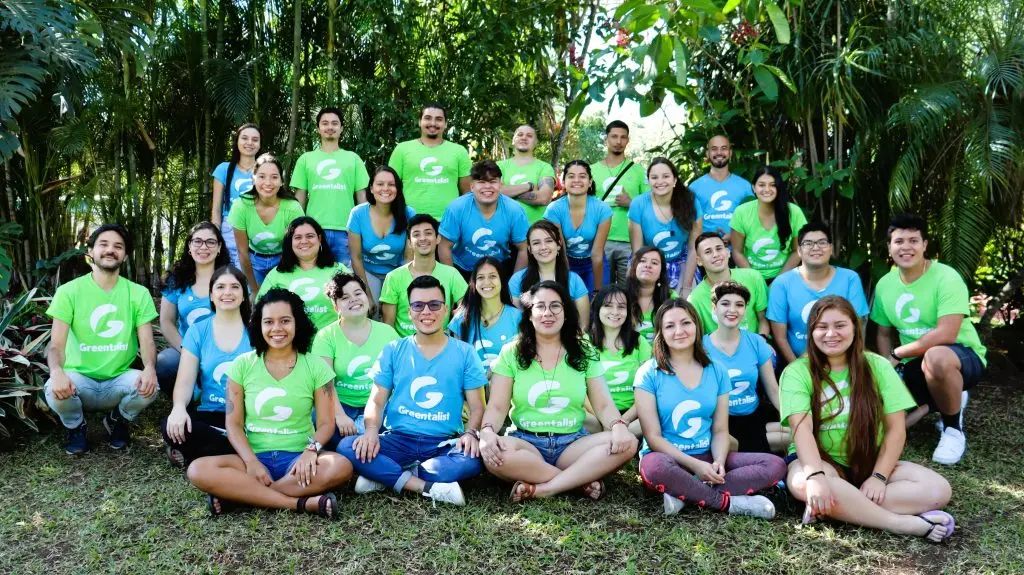
When volunteers fly home, they carry more than photos. They leave with an internationally recognized certificate and practical skills in construction, conservation and project management. They join a network of young leaders from more than 20 countries. And they become part of a story that has been growing for over 20 years, with more than 500 young people trained.
But the real proof shows up later. Maybe a volunteer starts a project at their university. Maybe another speaks up in a meeting where they once stayed quiet. That's what KNOW, DO, BE, LEAD is built for. Not five weeks of change, but a lifetime of it.
Want the bigger picture first? Read why Costa Rica is the right place to start, or explore the full Global Greentalist program.
Ready to Lead Change?
Our 2027 programs begin with virtual training on January 6. Explore the program, or apply today and take your first step.
Apply Now Explore the Program